Orders received by 10:30 AM are shipped the same business day.
Free shipping on orders over €40
Payment on delivery, by card, or bank transfer
On working days: 9–21 AM/PM Subject: 10 AM - 3 PM | Sundays & holidays: closed

 EN
EN
EN
EN
Vaginal dryness is a common intimate discomfort that can occur at different stages of life. It can feel like a lack of natural moisture, tightness, burning, or itching, and becomes particularly noticeable when intercourse starts to cause discomfort or pain. Although often associated with menopause, vaginal dryness is not a problem that only occurs in later years. Hormonal changes after childbirth and during breastfeeding, certain medications, stress, sensitive or irritated mucosa, and insufficient sexual arousal can also play a role.
Occasional dryness during intercourse is not necessarily a sign of a health problem and can often be resolved with longer foreplay or an appropriate lubricant. However, if the feeling of dryness is present even outside of sexual intercourse, lasts for a long time, or is accompanied by pain, bleeding, unpleasant discharge, or urinary issues, it is important to determine the cause.
The vaginal mucosa is naturally moist and elastic. Its condition is strongly influenced by hormones, especially estrogen. When estrogen levels decrease, the mucosa can become thinner, less elastic, and more sensitive, and natural lubrication may be reduced.
Because of this, it is one of the most well-known causes of vaginal dryness perimenopause and menopause. However, hormonal changes can occur much earlier. Dryness can appear after childbirth, during breastfeeding, following certain surgeries, or as a consequence of therapies that affect sex hormone levels.
Among the possible causes and factors that can contribute to vaginal dryness are:
It is important to distinguish the cause from the situation in which the problem occurs. If dryness only occurs during sex, the reason does not have to be an estrogen deficiency. If it is present throughout the day, while sitting, walking, or urinating, it is more likely that there is a broader issue worth exploring with a gynecologist.
Vaginal dryness doesn't just have to feel like a literal lack of moisture. Changes in the vaginal mucosa and surrounding tissue can cause various unpleasant sensations.
The most common symptoms include:
Itching, burning, and pain are not specific only to vaginal dryness. Similar symptoms can be caused by fungal or bacterial infections, irritation, dermatological conditions, and other problems. Therefore, recurrent or pronounced issues should not be automatically attributed to dryness.
One of the moments when women most often become aware of the problem is precisely during sexual intercourse. When there is not enough natural lubrication, penetration creates more friction, which can make intercourse uncomfortable or painful. After intercourse, a burning sensation, sensitivity, or minor irritations may remain.
It is important to know that vaginal dryness and sexual desire are not the same thing. A woman may want sexual intercourse, be attracted to her partner, and at the same time have too little natural lubrication. Likewise, the body sometimes simply needs more time for arousal than it is given.
If the problem occurs only during sex, try slowing down the pace and lengthening foreplay. Penetration should not begin because it is „time for it,” but when the body is ready. Adding lubricant can further reduce friction and make the relationship more pleasant.
If penetration is painful, it is not a good idea to continue through the pain. Friction on insufficiently lubricated and irritated mucous membranes can further increase discomfort and create a vicious cycle in which the body finds it even harder to relax due to the anticipation of pain.
Vaginal dryness is especially common during perimenopause, menopause, and postmenopause. A drop in estrogen levels can affect the thickness, elasticity, and moisture of the vaginal mucosa, as well as the tissue of the vulva and urinary system.
When vaginal dryness is accompanied by other symptoms associated with these changes—for example, pain during sex, burning, frequent urination, or recurring urinary problems—doctors may view them as part of genitourinary syndrome of menopause.
Unlike occasional insufficient lubrication during sex, symptoms associated with estrogen deficiency can be persistent. Lubricant can then help during intercourse, but does not necessarily resolve the daily sensation of dryness. Therefore, depending on symptoms and health status, vaginal moisturizers or medically prescribed therapy can be used.

Menopause and aging can bring changes to the body, but the need for comfort, intimacy, and sexual pleasure does not stop. Properly chosen lubricants and vaginal moisturizers can help reduce friction and discomfort and make it easier to adapt to the changes the body is going through.
Yes. Although the term is often associated with menopause, vaginal dryness can occur at almost any age.
After childbirth, major hormonal changes occur, and during breastfeeding, estrogen levels may remain lower. Because of this, some women notice dryness, sensitivity, and reduced natural lubrication. If relatively little time has passed since childbirth, tissue healing, scarring, exhaustion, and fear of pain may also play an additional role.
In some women, vaginal dryness can occur after starting or changing hormonal contraception. Certain medications or medical therapies can also affect lubrication. If the problem appeared shortly after starting a new medication, do not stop the therapy on your own, but mention it to your doctor.
The body is not separate from the psychological state. Stress, tension, relationship problems, fear of pain, or the feeling that sex „must” end in penetration can make relaxation and sexual arousal difficult. In such situations, the problem may not be chronic vaginal dryness, but insufficient lubrication in a specific sexual context.
The best approach depends on that why the vagina is dry and when the problem occurs. A lubricant, vaginal moisturizer, and hormone therapy are not the same thing and are not used for the same purpose.
A lubricant primarily reduces friction during sexual activity. It is applied immediately before or during intercourse and provides additional slipperiness when natural lubrication is not sufficient.
If dryness is an issue mainly during sex, lubricant is the simplest solution to try. There are different bases and textures, so the choice depends on whether you use a condom, sex toys, and how long-lasting you want the lubrication to be.
A vaginal moisturizer is not the same as a lubricant. It is intended for regular use to maintain moisture, not just immediately before sex. Such products can be useful when the sensation of dryness is present even during everyday activities.
The method and frequency of use depend on the specific formula, so always follow the manufacturer's instructions.
If dryness is linked to a drop in estrogen, a doctor may suggest local vaginal estrogen therapy or another form of treatment. Hormonal preparations are not products that should be introduced on your own. The choice of therapy depends on symptoms, age, medical history, and other medications the woman is taking.
Special medical advice is important for women who have or have previously been treated for hormone-dependent tumors or are using antihormonal therapy.
If friction and discomfort during intercourse are the main problem, the right lubricant can make a big difference. There is no single formula that is best for everyone.
Water-based lubricants they are the practical first choice because they rinse off easily and can generally be used with a large number of sex toys and condoms, subject to checking the specific product label. Some formulas may require reapplication during longer intercourse.
Silicone lubricants usually provide longer-lasting lubrication and do not dry out as quickly as water-based formulas. If you are using silicone sex toys, always check compatibility because certain combinations of silicone products and materials are not recommended.
If there is already a stinging or irritation, a simpler formula without unnecessary fragrances and ingredients that create a strong warming or cooling sensation can be a more comfortable choice. A product that suits one person perfectly can cause irritation for another.
Cooking oils, petroleum jelly, and other products not intended for intimate use are not good universal substitutes for lubricants. It is especially important to know that oil-based products can damage latex condoms. If you use condoms, always check the stated compatibility of the lubricant with the condom material.
For dry and sensitive mucosa, it is sometimes just as important to remove what further irritates it as it is to add a moisturizing product.
Occasional dryness that occurs only during sex is often not a cause for concern. However, a check-up is recommended if the problem persists, worsens, or significantly affects daily life and sexuality.
Consult a gynecologist especially if dryness is accompanied by:
The examination is also important because burning, itching, and pain can have other causes. Treating „dryness” will not help if the real problem is an infection, a dermatological condition, or another gynecological issue.
The Simply® Timeless™ line includes lubricants and vaginal moisturizers designed for individuals who need extra comfort due to vaginal dryness, including the perimenopause and menopause stages.
The collection features various formulas, including Simply® Timeless™ products on different bases. The formulas differ in composition and method of use, so before choosing, check the declaration and instructions of the specific product.
According to the product line description, certain formulas contain ingredients such as aloe, olive leaf extract, squalane, and vitamin E. If you want to use the product as a vaginal moisturizer and not just as a lubricant during sexual intercourse, check whether such regular use is stated on its label.
Vaginal dryness can be an uncomfortable problem, but in most cases, there are ways to reduce the discomfort. The first step is to identify whether the dryness occurs only during sexual activity or is also present in daily life. In cases of occasional insufficient lubrication, slower foreplay and a quality lubricant can help, while persistent dryness requires considering the potential cause and, if necessary, talking to a gynecologist.
Sex shouldn't hurt because the body doesn't have enough natural moisture. Slow down, use enough lubricant, listen to your own body's reactions, and don't ignore symptoms that persist. The goal is not just to allow penetration, but to restore a sense of comfort and safety in your own body.
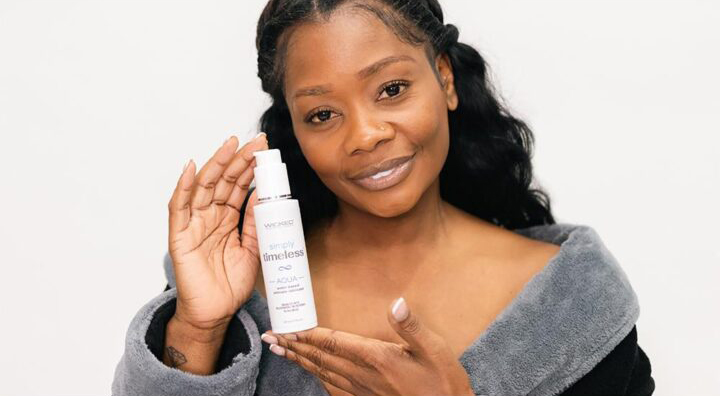
Menopause is a journey billions have experienced, yet it remains shrouded in mystery and misconceptions. It's more than just a phase; it's a potent transition, a natural metamorphosis that heralds a different kind of intimacy and self-discovery. Perimenopause, the phase preceding menopause, touches many, often beginning much earlier and impacting more lives than commonly realized. We embrace the beauty and challenges across all life stages, sharing knowledge that illuminates paths toward comfort, fulfillment, and profound self-care in our intimate lives. Remember, you are not alone; our collective wisdom becomes a beacon, guiding us through uncertainties with warmth and empathy.
Jessica Drake, Wicked Sensual Care
It is very common due to a decrease in estrogen levels, but that does not mean the discomfort should simply be accepted as an inevitable part of aging. There are non-hormonal and hormonal options to relieve symptoms, depending on their cause and intensity.
Stress can affect sexual arousal and natural lubrication during sex. If the dryness is persistent and occurs outside of sexual activity, it is useful to look for other possible causes.
A lubricant can very effectively reduce friction and discomfort during sexual activity, but its effect is temporary. For daily and persistent dryness, a vaginal moisturizer or other therapy may be needed, depending on the cause.
No. Sexual desire, arousal, and vaginal lubrication are related, but they are not the same thing. A woman can experience sexual desire and vaginal dryness at the same time, especially during hormonal changes.
If it is related to a temporary hormonal change, medication, stress, or a specific life stage, the symptoms may resolve when the cause changes. Dryness associated with the menopausal drop in estrogen can be longer-lasting, which is why it is helpful to discuss appropriate options with a gynecologist.

