Orders received by 10:30 AM are shipped the same business day.
Free shipping on orders over €40
Payment on delivery, by card, or bank transfer
On working days: 9–21 AM/PM Subject: 10 AM - 3 PM | Sundays & holidays: closed

 EN
EN
EN
EN
Nipple and vaginal pumps They use a controlled vacuum to temporarily enhance feelings of fullness and sensitivity in the vulva, clitoris, or nipples. Depending on the model, they may have a larger cup for the intimate area, smaller attachments for individual erogenous zones, a manual pump, or an electric mechanism with several vacuum levels.
Although often called vaginal pumps, these products are primarily used externally. The cup is placed over the vulva and clitoris, rather than being inserted into the vaginal canal. The vacuum gradually draws the surface tissue into the cup, which can make it appear plumper and more sensitive to touch during and immediately after use.
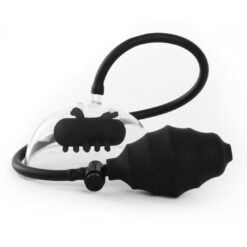
A vacuum pump consists of a cup or cylinder that is placed on the body, an air extraction mechanism, and a valve to reduce pressure. With manual models, you determine the intensity by pressing the pump, while electric and rechargeable versions may have pre-set suction levels or programs.
The sensation should be noticeable but not painful. The goal is not to create the largest possible vacuum, but to find a level that provides comfortable tightness and stimulation without intense pressure, numbness, or skin damage.
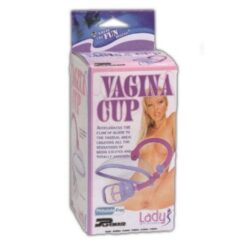
Vaginal pumps have a wider cup shaped for the external intimate area. Depending on its size and placement, the vacuum can encompass the labia, clitoris, or a larger portion of the vulva.
Before purchasing, check the width, length, and depth of the cup. A model that is too small may not be able to properly encompass the desired area, while a cup that is too large can make it difficult to create a stable seal against the body.
A vaginal pump does not permanently enlarge the vulva or clitoris. Changes in fullness and appearance are temporary and gradually disappear after releasing the vacuum.
A smaller clitoral pump uses a smaller cup that allows for more focused stimulation of the clitoris and surrounding tissue. The smaller attachment can provide a more precise sensation than a large cup for the entire vulva, but requires careful positioning for the rim to evenly adhere to the skin.
Vacuum pumps should not be confused with clitoral stimulators which use pulsating airflow. A clitoral stimulator most often works without strong suction of tissue into a cup, while a vacuum pump creates and maintains negative pressure until you release it.
Nipple pumps have one or two small cups that are placed over the nipple and areola. The vacuum can temporarily make nipples more prominent and increase their sensitivity to touch, kissing, or other forms of stimulation.
Models vary by the diameter and depth of the nipple cup. The nipple should not press firmly against the closed end of the flange, and the rim should not cut into the skin or leave noticeable painful marks.
If you're looking for a different pressure sensation without a vacuum, you can also check out nipple clips and decorations. Clamps work by direct pressure, while pumps use suction, so these two types of products provide a significantly different feel.
Some sets contain cups of different sizes for the vulva, clitoris, and nipples. Such a set allows the use of the same vacuum mechanism on multiple erogenous zones.
Before purchasing, check what exactly is in the package, how many cups you get, and if the attachments can be easily detached for washing. A larger number of attachments is only useful if their dimensions correspond to the areas you want to stimulate.
Manual models most often use a rubber bulb, handle, or plunger connected to the cup via a tube. With each squeeze, you gradually increase the vacuum and can stop once you achieve a comfortable sensation.
The advantage of a manual pump is direct control, simple construction, and the fact that it does not require batteries or charging. It is important that it has a valve with which the vacuum can be quickly released without abruptly pulling the suction cup away from the skin.
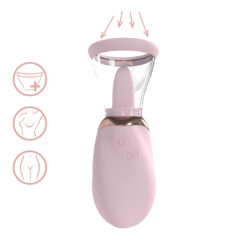
Electric models generate a vacuum using a motor, usually by pressing a button. They can have several intensity levels or programs that alternate between stronger and weaker suction.
Before purchasing, check the operating method, charging time, available levels, and safety valve position. Automatic operation does not mean the pump can be left unattended. Throughout use, monitor the sensation, skin color, and reaction of the treated area.
Do not pull the cup away from the body while it is under vacuum. Such removal can unnecessarily stretch the skin and cause pain, redness, or damage to the sensitive area.
Place the cup flat over the nipple so that the rim encircles a small portion of the surrounding skin. Gradually increase the vacuum until the nipple becomes slightly more prominent and sensitive, without excessive pulling or pain.
If the set contains two breast pumps, both nipples do not have to withstand the same level of suction. Adjust the intensity separately for each side and reduce it as soon as you feel pulsing, burning, or uncomfortable tightness.
After releasing the vacuum, the nipples may remain more prominent or sensitive for a while. Wait for the tissue to calm down before repeating the procedure or adding intense clamps and other strong stimulation.
Mild tugging and temporary redness may occur, but pain is not the intended outcome of use. Immediately remove the pump if you experience numbness, intense burning, sharp pain, coldness, loss of sensation, or notice unusually dark skin color.
Excessive or prolonged vacuum can damage small blood vessels and cause bruising, swelling, or tenderness. Do not attempt to achieve the greatest possible aesthetic change, nor should you repeatedly pump over an area that is already painful or bruised.
Do not use the breast pump on wounds, inflamed or irritated skin, active rashes, unhealed piercings, or areas with unexplained lumps, discharge, or bleeding. Seek medical advice for persistent pain or changes that do not resolve.
Special caution is needed if you are taking blood-thinning medication, have a clotting disorder, or have reduced skin sensitivity. During pregnancy, breastfeeding, or recovery after breast or intimate area surgery, consult your doctor before use.
For improved cup grip, the simplest choice is Water-based lubricant. Apply a very small amount to the edge of the patch, not the entire surface of the skin.
Too much lubricant can cause the cup to slip and make it difficult to maintain a vacuum. Only use silicone and oil-based lubricants when the manufacturer has confirmed they are compatible with the seal, tubing, and attachment materials.
Wash the cups and detachable attachments with lukewarm water and mild soap or an appropriate cleaner before first use and after each use. sex toy cleaner.
Do not immerse the pump mechanism, electronic parts, and connecting tubes in water unless the manufacturer has expressly stated that they are waterproof. Be careful not to let water, soap, or lubricant enter the motor, valve, or filling port.
After washing, dry all parts completely before reassembling and storing. Regularly inspect the cup rim, tubing, and valve. Cracks, deformations, or loss of seal are signs that the part should no longer be used.
Nipple and vaginal pumps allow exploration of controlled vacuum on the vulva, clitoris, and nipples, with different cup sizes and manual or electric modes. Compare the application area, attachment dimensions, intensity regulation, and pressure release method. Choose the pump that suits your desires, add it to your cart, and order now with completely discreet packaging.
Products are intended for adult use only. They are not a substitute for medical examination or treatment. Use them as intended and in accordance with the manufacturer's instructions.