Orders received by 10:30 AM are shipped the same business day.
Free shipping on orders over €40
Payment on delivery, by card, or bank transfer
On working days: 9–21 AM/PM Subject: 10 AM - 3 PM | Sundays & holidays: closed

 EN
EN
EN
EN
Is it true that antiperspirants cause cancer? If there's no history of breast cancer in your family, does that mean you're not at risk? Can wearing a bra increase your chances of developing the disease? Let's separate fact from fiction by debunking some of the most common breast cancer myths.
You've probably heard that wearing a bra can increase your risk of cancer. The theory is that wearing a bra—especially an underwire bra—could restrict the flow of lymphatic fluid from the breasts, causing toxins to build up in the tissue.
However, no link has ever been found between wearing a bra and breast cancer.
Therefore, your decision on whether and when to wear bra 100% is your personal choice and definitely won't harm you.


There is no correlation between breast size and the risk of developing breast cancer. The only physical characteristic of the breast that has been proven to increase the risk of developing breast cancer women only breast density.
The reason for this is that tumors in dense breast tissue are harder to detect with standard mammography, meaning cancer can go undiagnosed for longer. So, whether your breasts are small or large, get them checked regularly.
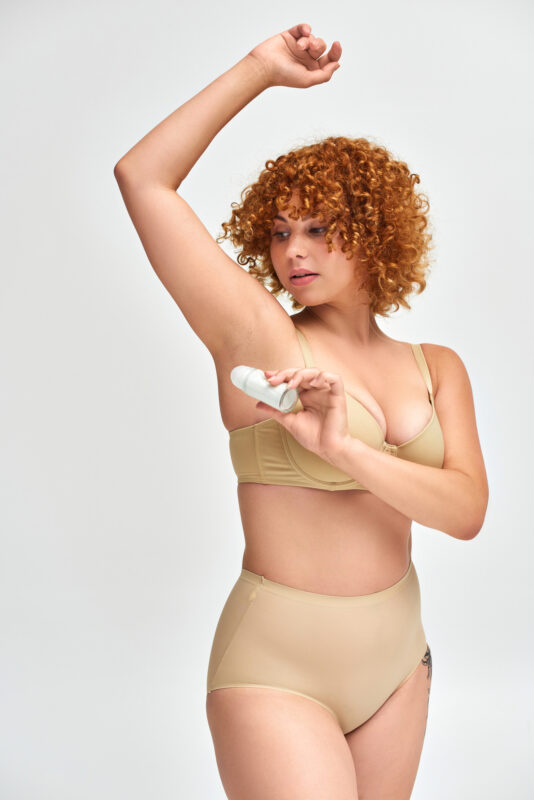
You may have heard that aluminum and other chemicals in antiperspirants can be absorbed into the lymph nodes and then travel to breast cells, increasing the risk of cancer. There's even a theory that by preventing underarm sweating, antiperspirants stop the release of toxic substances from the underarm lymph nodes, increasing your chances of developing cancer.
However, these are all unfounded theories. There is currently no evidence of a link between antiperspirant use and breast cancer. But if you are concerned, there is no harm in using antiperspirant or a natural one. deodorant aluminum-free.

Unfortunately, that's not true. Anyone can develop breast cancer, even if it isn't in their family. In fact, it's believed that only about 5–10% of breast cancers are hereditary. Although environmental and lifestyle factors may play a role, the biggest risk factors are simply being Woman and aging – factors that are completely beyond our control.
So, regardless of whether breast cancer runs in your family or not, it is important to go for regular check-ups, regularly check your breasts for any lumps or unusual changes, and consult your doctor if you have any concerns.
Remember: women and men of all ages can develop breast cancer, even those who lead healthy and active lifestyles. Therefore, do not neglect your breasts. It could save your life!


